

What is Tinware|The characteristics of tin, a soft metal, and its use in modern times
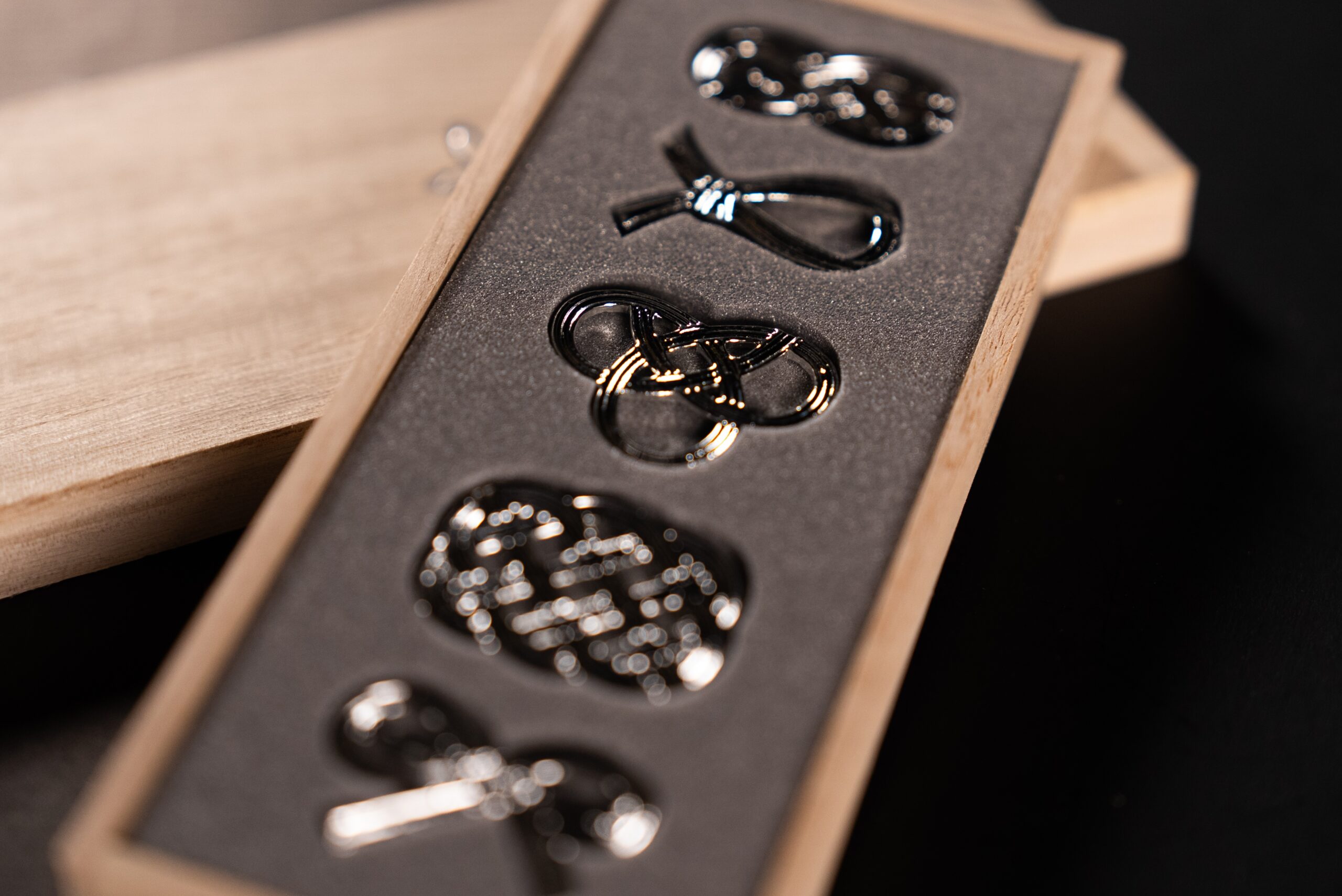
Tin is a soft, silvery-white metal. It has long been used for tableware, sake cups, and decorative items. Features,Quick heat transfer and unique moist lusterIt is a material that feels somewhat gentle in the hand, contrary to its apparent coldness. Contrary to its cold appearance, this material feels somewhat gentle in the hand.
This article introduces the characteristics of tin, its appeal as a vessel, and the craftsmanship inherited by Nosaku of Takaoka, Toyama Prefecture, from the perspective of daily life.
Article
Heat conduction and sound effects of tin
Compared to glass or ceramic, tin transfers heat more quickly. If the vessel is chilled in the refrigerator for a short time before pouring, the sharpness of the first sip is beautifully defined. Conversely,If you pour a cold drink into a room-temperature tin vessel, the vessel “takes on” the temperature and removes the corners.The temperature is determined by the amount of ice. The temperature is not determined by the amount of ice, but rather by the material of the vessel, which adjusts the speed of the temperature. Use less ice, but the taste will not be blurred. It is a small device to bring the work of a bar to the home table.
When tin is lightly bent, a faint “cry” is produced. In technical terms, this is called a "tin cry," and it is the subtle sound of the crystals rubbing against each other that reaches the ear. It is not meant to be heard like a musical instrument, but it is the moment when the contours of the material touch the ear. The soft metal absorbs the habits of the user. The rim, which is often touched by fingers, becomes more rounded, and the bottom grows subtly with one's own habits of placement. The time spent owning the vessel will nurture its "tone" and "form" as it is.
“Cold” yet “gentle” - the persuasive power of temperature
When poured into a tin vessel, both water and sake change expression.Not too cold, not too lukewarm, just the right temperature to reach the mouth.The tin is a natural material. The interesting thing about tin is that the balance between the two comes together naturally. For cold sake, the contours become tighter, and for lukewarm sake, the corners become softer. Rather than manipulating the temperature, it is more like letting the material breathe.
The mild temperature is also useful in cooking. Take sashimi, for example. It keeps it cold, but does not lock in the aroma. A lightly chilled small tin plate will bring out the aroma of white fish. When served with fruit or chilled sweets, the contrast between the light reflection and the temperature stands out, creating a quiet coolness that is different from that of glass.
Tin is resistant to acid and salt, but daily care is important to keep it beautiful for a long time. After use, simply rinse it with water and wipe it lightly with a mild detergent and a soft cloth. If you are concerned about dullness, polish gently with a paste of dissolved baking soda. Avoid dishwashers, microwave ovens, and open flames. Basic care of water temperature × neutral detergent × cloth will keep the tin moist and shiny.
“Dare to bend” tin cutlery rest
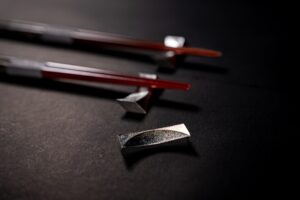
One of the charms of tin is its softness. It can change its shape little by little by applying light pressure with the hand. Take, for example, the tin cutlery rests and chopstick rests made by Nosaku. They start out as straight strips,from ...It can be bent by hand to create the desired angle or curve.The height of the chopsticks is adjusted to make it easy to place a fork or spoon on it. The height can be adjusted to make it easy to place forks and spoons, and chopsticks can be slightly twisted to prevent them from rolling.
Tin is a metal that is not too hard and does not break easily when bent. It quietly accepts its shape, gradually responding to the pressure of your cold fingertips. You are free to return it to its original shape or change it to a new one according to the season or the atmosphere at the table. The more you use it, the more a “breathing” relationship is created between the material and your hand.
The hammered surface is intended not for decoration but for practical use. It softens reflections and serves as a guide to prevent fingertip slippage. The light is dispersed in small pieces, making it blend naturally with stainless steel and ceramic vessels, and quietly blends in with any table.
Adding a little of your own touch to the utensils you use at the table. Such an act changes the utensils and cutlery from “something to be used” to “something to be involved with. The tin cutlery rest is a small craft at the entrance to this process.
Long-term use with aging as an ally
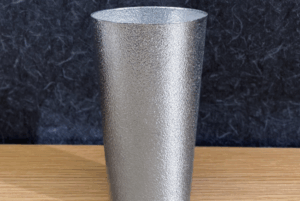
Tin is a material that scratches easily, but that is not a drawback,History that reflects the time of those who used itIt is. Fine lines and cloudiness are a record of daily hand movements. If it bothers you, polish it with a soft cloth, and if it does not bother you, let it grow as it is, both of which are the right way to deal with it.
You want to be careful in handling,Avoid sudden temperature changes and storage in freezers.It is about the same. With just a little care, tin will stay with you peacefully for a long time. The more you hold it in your hand, the deeper its luster deepens, and the more you use it, the softer its light becomes. Tin is a metal that slowly takes on a life of its own, developing a look that is uniquely its own.
Gifts at Tin Weddings
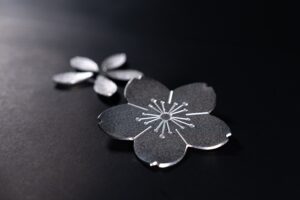
Celebrating 10 years of marriageTin weddingTin is used as a symbol of the couple's marriage ceremony, and is considered to be a day to celebrate the couple's bond, which is as soft and supple as tin. Although not as glamorous as silver or gold weddings, tin has been chosen as a material that quietly accompanies the milestones of life.
Tin is a metal that does not break easily upon impact and can be reshaped by hand. Its properties overlap with the way a relationship grows over time. Neither too hard nor too soft, it accepts and changes after the hands of those who use it, and such receptivity is the symbol of a tin wedding.
A milestone for the couple,The custom of giving tin drinking vessels and tumblersThere are also Each time you use it, the light softens and it becomes more comfortable in your hand, making it an appropriate memento to commemorate 10 years of time.
Beautiful tinware at a store in Kita Maruyama, Sapporo
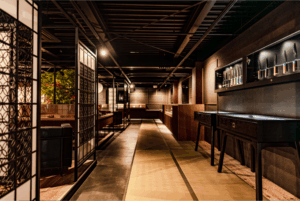
located in Kita Maruyama, Sapporo, Japan.Japanese Modern N6 Kita MaruyamaAt the "Tinware" section, visitors can actually hold tinware made by Nosaku in Takaoka, Toyama, as well as a wide variety of other crafts by artisans from all over the country, before purchasing them.
Nosaku's tinware is characterized by its soft luster and moist texture. Pouring a glass of cold sake or tea, you will feel the “cool and gentle” sensation that only tin can provide, and it will add a quality of serenity to your daily dining table. A variety of shapes are available to suit different uses, such as sake cups, tumblers, and cutlery rests, allowing you to enjoy the changes of the material in your daily life.
The store also features traditional handicrafts from around Japan, such as glasswork, ceramics, lacquerware, and dyeing and weaving. All of these items are a harmony of craftsmanship and modern sensibilities. The store's elegant and relaxed appearance allows it to blend naturally into any space.
In this quiet space where Japanese and modern styles intersect, you will encounter crafts that have a reason to be used only today.
View access and business information
