

What is Kyushu pottery?
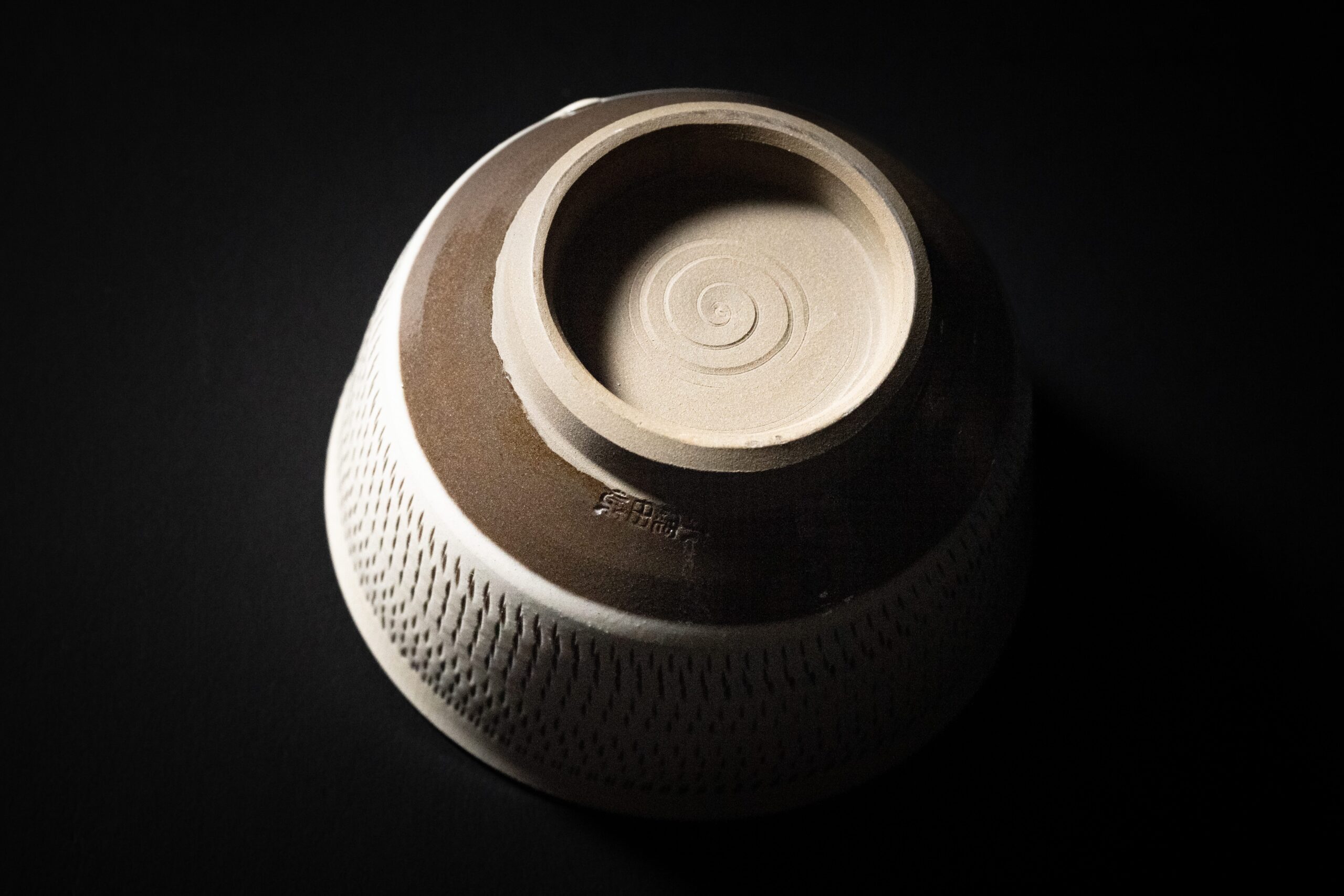
Kyushu is the land where Japan's pottery culture is rooted. It can be said to be the place where porcelain was born, folk art grew up, and vessels for daily life were refined.
Among them.Hasami-yaki, Arita-yaki, Oshikada-yakiare still alive in our daily lives, each bearing a different philosophy and role. In this article, we will unravel the origins and characteristics of the three types of pottery and how they are used in modern life from the vessels' point of view.
Article
-
-
- 1.The History of Pottery in Kyushu|The Land where Porcelain and Folk Art Intersected
- 2.“What is Hasamiyaki? | Porcelain of function, designing the everyday
- 3.What is Arita-yaki? |Japan's oldest porcelain, with a white porcelain body that contains ideas
- 4.What is Kojada-yaki? |A form of folk art that has let go of artifice
- 5.Different materials determine the role of the vessel.
- 6.Vessels from Kyushu at a store in Kita Maruyama, Sapporo
-
The History of Pottery in Kyushu|The Land where Porcelain and Folk Art Intersected

Kyushu occupies a unique position in the history of Japanese pottery. Because,The place where porcelain was first produced in Japanand at the same timeA land where the folk art philosophy is deeply rootedIt is because it is also
In the early 17th century, the discovery of ceramic stone, the raw material for porcelain, in Arita, present-day Saga Prefecture, marked a major turning point in Japanese pottery. In addition to the earthenware that had been the mainstream until then, white, hard porcelain was born, changing the food culture and even the distribution system.
The porcelain culture that began in Arita spread to the surrounding areas,HasamiIn the north, porcelain developed as a daily commodity. On the other hand, in the mountainous areas, pottery that was mainly made with clay and handiwork was developed in a context different from that of porcelain. A representative example is Oita'skokada porcelainIt is.
Kyushu pottery is characterized by its "lack of uniformity. There is refinement with an eye toward export, mass production to support the lives of the common people, and folk art that leaves things to nature. Each has existed at the same time and has played a different role in each region.
In other words, Kyushu is, Pottery as an InstitutionAnd,Pottery as a way of lifeSo we can say that this is the place where the
It is because of this multi-layered history that Hasami-yaki, Arita-yaki, and Oshikada-yaki still live on in modern life while maintaining their different philosophies.
What is Hasamiyaki? | Porcelain of Function, Designing Everyday Life
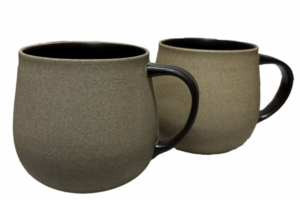
Hasami-yaki is porcelain made in Hasami-cho, Nagasaki Prefecture, and despite its more than 400-year history, its essence has always been "everyday".
Mass production, durability, and ease of use rather than ornate decoration. During the Edo period (1603-1867), it was distributed throughout the country as common people's vessels, supporting people's lives as "vessels that can be bought again even if they break.
The traditional appearance of white porcelain with gosu underglaze blue serves as a “background” to catch the colors of food and beverages. The bowls are not too assertive, which facilitates the user's decision-making and actions.
That is the design philosophy behind Hasami ware.
Hasami-ware coffee filters and the rhythm of daily life
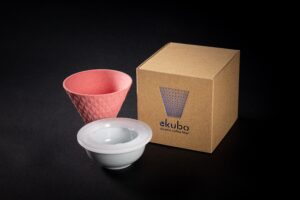
Hasami ware is,Coffee filters and drippersIt also blends naturally with modern utensils such as Porcelain absorbs very little water and does not retain aromas or oils, so it can bring out the flavor of coffee in a consistent manner.
Light, easy to handle, and easy to wash. In the limited time available in the morning, this is a vessel that you can reach for without thinking.
Hasami-yaki is a pottery that is used to make coffee, an everyday activity.“Do not delay.”It is also a vessel for
What is Arita-yaki? |Japan's oldest porcelain, with a white porcelain body that contains ideas
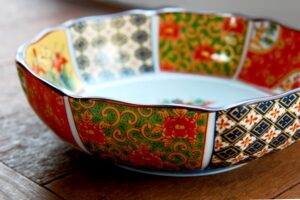
Arita-yaki is Japan's oldest porcelain ware, fired mainly in the town of Arita in Saga Prefecture, and was created in the early 17th century when the first raw materials for porcelain were discovered in Japan.
Arita porcelain is more than just "white. The purification of the clay, the firing temperature, the transparency of the glaze. The taut white color is the result of the calculation of all these factors.
The painting on them is an expression of thought as well as decoration. How to leave margins and where to stop the line. Arita-yaki is "porcelain for painting," but at the same time it is a very rational vessel.
Arita porcelain and coffee|A cup of quiet tension
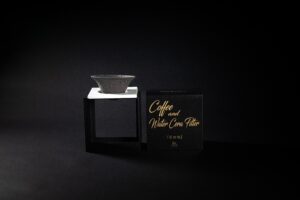
Arita-yaki coffee cups and coffee filters,Vessels for regulating timeIt is. The color of coffee falling into the white porcelain accentuates the presence of the liquid itself.
The tranquility of the porcelain surface is what keeps it from being noisy even when decorated. It is a natural choice for when you have guests over or when you want to refresh your mind. Arita-yaki porcelain has the power to "correct" our daily lives a little.
What is Kojada-yaki? |A form of folk art that has let go of artifice
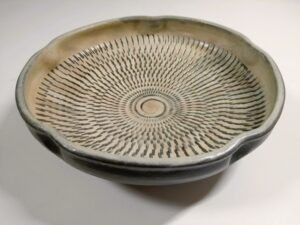
Kogada-yaki pottery is produced in the mountains of Hita City, Oita Prefecture. The pottery has been produced since the mid-Edo period, and the techniques have been passed down from generation to generation.
Skipping planes, brush marks, and pouring. They are traces of work rather than decoration.Don't aim for uniformity and don't over-align.The expression of Kogada pottery appears at the intersection of the forces of nature and the human hand. The expression of Kogada pottery appears at the intersection of natural forces and human hands.
Kogada-yaki Tea Bowl|Vessels that fit naturally in your hand every day
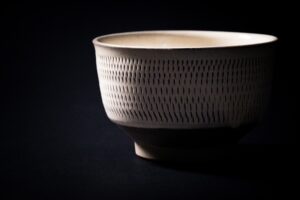
Kogada-yaki soup bowls are vessels that are perfected through use. The skin, which retains the particles of clay, softly catches the steam and has temperature to the touch when held in the hand.
When miso soup is served in it, the bowl quietly supports the color of the soup and the hints of the ingredients without being too assertive. On the other hand, the well-positioned base and moderate depth of the bowl make it comfortable even when used as a rice bowl.
The less-than-perfect contours make it easier to hold and more stable when placed on the table. It can be used without any specific purpose or awareness, and you can feel the goodness of it at a moment's notice.
Kogada-yaki soup bowls are,."This is how it's used."It is a vessel that does not draw the boundary line of The correct answer as a tool is quietly but surely shown.
Different materials determine the role of the vessel.
The three types of pottery have distinct personalities depending on the material.
- Hasami-yaki, Arita-yaki: Porcelain
- Kogada-yaki: Pottery
Porcelain absorbs little water and does not transfer flavors and odors. Ceramic has the temperature of clay and catches the presence of food. It is not a matter of which one is superior, but how and what you use it for. That is the proper way to deal with pottery.
Vessels from Kyushu at a store in Kita Maruyama, Sapporo
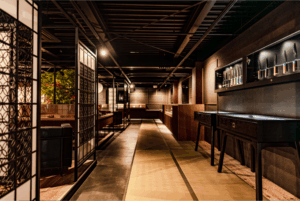
Japanese modern N6 Kita Maruyama, located in Kita Maruyama, Sapporo, features Hasami-yaki, Arita-yaki, and Oshikada-yaki pottery,Crafts from around JapanYou can actually pick up a piece of furniture to check its texture, weight, and appearance before making your choice.
A vessel contains many elements that cannot be conveyed by photographs or numbers alone. The tension of the porcelain, the clayiness of the pottery, the fit of the base, the slight thickness of the mouth rim. These elements are only understood physically at the moment you hold it in your hand.
The store is lined with a variety of products with different purposes and philosophies, ranging from tableware suitable for daily use to items that quietly change the atmosphere of the dining table. The appearance of the products is based on the premise that they will be used in daily life, without being overly assertive.
In a calm space where Japanese and modern intersect,."Why Choose This"with your own senses. Japanese modern N6 Kita Maruyama is a place where you can make such a choice.
View access and business information
Some of our products are also available in our online store. We also carry a wide range of other traditional crafts and original products, so if you are interested, please visit our online shop.
Kyushu's pottery for modern life
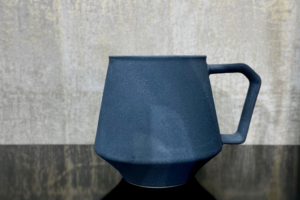
Kyushu's pottery blends seamlessly into the modern dining table, where Japanese and Western styles mix. Hasami-yaki for your morning coffee, Arita-yaki for a refreshing cup, and Oshikada-yaki for your daily meal.
To change one's vessel is to change the rhythm of one's life. Kyushu's pottery may be just the thing to trigger this change.
